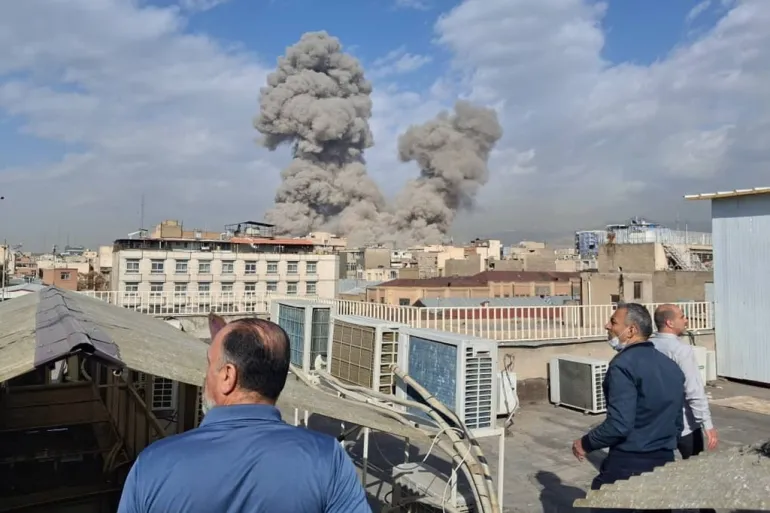
Imagine waking up one morning and discovering that one of the most volatile regions in the world has suddenly exploded into conflict. The Iran War 2026 has rapidly become one of the most talked-about global crises, with the Middle East once again at the center of international attention.
People are fleeing their homes in fear. Fighter jets are roaring across the skies. Explosions are being reported from major cities, and global news headlines are dominated by a single phrase: Iran War 2026.
But the real question remains—why did the Iran War 2026 begin so suddenly? Is it just a military operation, or the result of decades of political tension, nuclear disputes, and power struggles in the region?
In this analysis, we explore how the Iran War 2026 started, why the conflict is escalating so quickly, and what it could mean for the future of global politics.
What is Iran War 2026
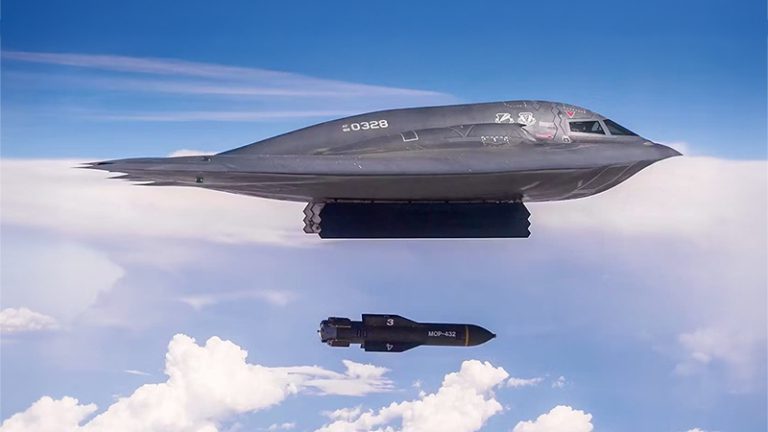
Iran War 2026 refers to the large-scale military conflict that began in February 2026, primarily involving the United States, Israel, and Iran.
On February 28, 2026, the United States and Israel launched coordinated airstrikes on multiple Iranian military and strategic facilities. The goal of these attacks was to weaken Iran’s military capabilities and disrupt its nuclear program.
The military operations were reportedly named:
- Operation Epic Fury (United States)
- Operation Roaring Lion (Israel)
During these attacks, reports indicated that Iran’s Supreme Leader Ayatollah Ali Khamenei was killed, which dramatically escalated tensions across the region.
Following this event, the conflict quickly spread and the entire region entered a state of heightened tension.
Why Iran War 2026 Is Important Right Now
According to many analysts, Iran War 2026 is not just a regional conflict—it could reshape global geopolitics.
There are several key reasons why this war is so significant.
1. Nuclear Tensions
For years, the United States and Israel have accused Iran of secretly developing nuclear weapons.
Iran, however, insists that its nuclear program is for peaceful purposes.
This long-standing dispute has been one of the biggest sources of tension in the region.
2. Balance of Power in the Middle East
The Middle East has long been shaped by power rivalries between major players such as:
- Iran
- Saudi Arabia
- Israel
- The United States
These geopolitical rivalries have existed for decades and often influence conflicts across the region.
3. Global Economic Impact
Conflicts in the Middle East often have a direct impact on global oil markets.
As soon as Iran War 2026 began, financial markets around the world started reacting with concern.
Hidden Truth About Iran War 2026
While news headlines show dramatic images of war, the reality behind the conflict is often more complex.
Fact 1: Hundreds of Lives Lost Within Days
Reports indicate that nearly 800 people were killed in the first few days of the conflict.
Among the casualties:
- Hundreds killed in Iran
- At least 10 people killed in Israel
- Six American service members killed
In addition, over a thousand attacks have reportedly been recorded in Iran, impacting more than a hundred cities.
Fact 2: The Conflict Is Spreading Quickly
Iran War 2026 is no longer limited to Iran and Israel.
Iran has launched retaliatory strikes targeting US military bases and strategic locations across the Middle East, including:
- Qatar
- Bahrain
- United Arab Emirates
- Saudi Arabia
These attacks have raised fears that the conflict could evolve into a larger regional war.
Expert Opinions on Iran War 2026
Many international experts believe the conflict could last longer than initially expected.
Israel’s Prime Minister Benjamin Netanyahu has suggested that the war may take some time to end, though he does not expect it to last for many years.
Meanwhile, US leadership has stated that the military operations were launched to neutralize the nuclear threat posed by Iran.
However, critics argue that the war could destabilize the Middle East even further.
[Image Suggestion]
Image: world leaders discussing Middle East conflict
Alt Text: Iran War 2026 global political discussion
Global Impact of Iran War 2026
Israel Iran War is not just a regional military conflict—it is already affecting the global economy.
1. Shock to Global Oil Markets
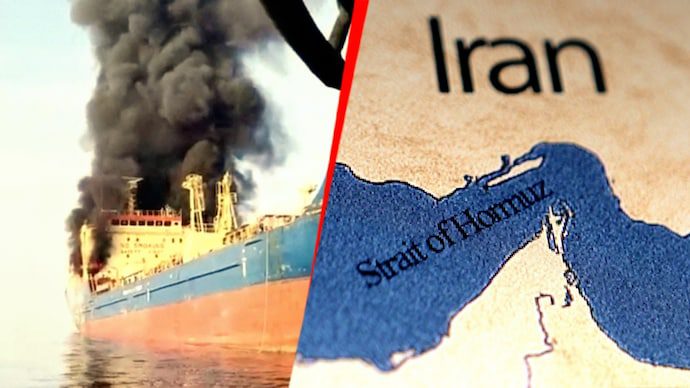
The Strait of Hormuz, one of the world’s most critical shipping routes, carries about 20% of the global oil supply.
Due to the conflict, shipping activities in this strategic waterway have been disrupted.
As a result:
- Oil prices have surged
- Global trade uncertainty has increased
- Economic pressure has grown worldwide
2. International Security Risks
If the conflict expands further:
- NATO countries could become involved
- A larger Middle East war could begin
- New geopolitical alliances may form
For these reasons, many experts see Iran War 2026 as a potential global crisis.
Future Predictions for Iran War 2026
It is still unclear how US Iran Conflict will unfold in the coming weeks.
However, several possible scenarios are being discussed:
- The war could continue for several weeks
- More countries may become involved
- Diplomatic negotiations could eventually lead to peace
Experts warn that if the conflict continues to escalate, it could reshape the political landscape of the Middle East.
Conclusion
Middle East War 2026 is not just another military confrontation—it is the result of decades of political tension.
The attacks by the United States and Israel, Iran’s retaliatory strikes, and the growing instability in global oil markets have drawn the attention of the entire world.
How long this war will last remains uncertain.
But one thing is clear: Middle East War 2026 could significantly influence global politics and economics in the years to come.
Perhaps in the coming weeks, we will discover whether this conflict remains a regional war—or becomes a crisis that reshapes the world.